What Was the First Life on Earth?

By Stephanie Pappas, Live Science Contributor | February 19, 2017 08:33am ET

#Stromatolites, like those found in the World Heritage Area of Shark Bay, Western Australia, may contain #cyanobacteria, which were most likely Earth’s first photosynthetic organisms.

Credit: Rob Bayer/Shutterstock

The earliest evidence for life on Earth arises among the oldest rocks still preserved on the planet.

Earth is about 4.5 billion years old, but the oldest rocks still in existence date back to just 4 billion years ago. Not long after that rock record begins, tantalizing evidence of life emerges: A set of filament-like fossils from Australia, reported in the journal #Astrobiology in 2013, may be the remains of a microbial mat that might have been extracting energy from sunlight some 3.5 billion years ago. Another contender for world’s oldest life is a set of rocks in Greenland that may hold the fossils of 3.7-billion-year-old colonies of cyanobacteria, which form layered structures called stromatolites.

Some scientists have claimed to see evidence of life in 3.8-billion-year-old rocks from Akilia Island, Greenland. The researchers first reported in 1996 in the journal Nature that isotopes (forms of an element with different numbers of neutrons) in those rocks might indicate ancient metabolic activity by some mystery microbe. Those findings have been hotly debated ever since — as, in fact, have all claims of early life.

Prehistoric Van Goghs: Artists Used Pointillism 38,000 Years Ago

Nineteenth-century artists, such as Georges Seurat and Vincent van Gogh, weren’t the first to use pointillism, according to a discovery of 38,000-year-old decorated limestone tablets in France.

Still, the fact that suggestive evidence of life arises right as the rock record begins raises a question, said University of California, Los Angeles, geochemist Elizabeth Bell in a SETI Talk in February 2016: Is the timing a coincidence, or were there earlier forms of life whose remnants disappeared with the planet’s most ancient rocks?

The period that occurred before the rock record begins is known as the Hadean. It was an extreme time, when asteroids and meteorites pummeled the planet. Bell and her colleagues said they might have evidence that life arose during this very unpleasant time. In 2015, the research team reported discovering graphite, a form of carbon, in 4.1-billion-year-old crystals of zircon. The ratio of isotopes in the graphite suggested a biological origin, Bell and her colleagues wrote in the journal Proceedings of the National Academy of Sciences.

“There is some skepticism, which is warranted,” Bell told Live Science. Meteorites or chemical processes might have caused the odd carbon ratios, she said, so the isotopes alone aren’t proof of life. Since the publication of the 2015 paper, Bell said, the researchers have found several more of the rare-carbon inclusions, which the scientists hope to analyze soon.

From what is known of this period, there would have been liquid water on the planet, Bell told Live Science in an interview. There might have been granite, continental-like crust, though that’s controversial, she said. Any life that could have existed would have been a prokaryote (a single-celled organism without membrane-bound nuclei or cell organelles), Bell added. If there was continental crust on Earth at the time, she said, prokaryotes might have had mineral sources of nutrients like phosphorus.

A different approach to the hunt for Earth’s early life suggests that oceanic hydrothermal vents may have hosted the first living things. In a paper published in July 2016 in the journal Nature Microbiology, researchers analyzed prokaryotes to find the proteins and genes common to all of these organisms, presumably the final remnants of the Last Universal Common Ancestor (LUCA) — the first shared relative from which all life today descends.

The research team found 355 proteins shared by all archaeal and bacterial lineages. Based on those proteins, the researchers reconstructed a view of LUCA’s genome, hinting that it lived in an anaerobic (oxygen-free), hydrothermal environment. If that’s the case, Earth’s first life (or at least the first life that left descendants) would have resembled the microbes that cluster around deep-sea vents today, the researchers said.

Original article on Live Science

An Expedition Is Heading to Antarctica to Uncover How Life Started on Our Planet

Scientists and researchers should be honored. The dedication these people have for finding the truth is simply humbling. Our reporters also play a major role in expressing those facts to the public and should also be honored. I thank all of them for what they do. The world does not need #alternatefacts. With that said, I do not edit or change the articles here. This site is meant only to place articles in one location.


The Origins of Life

A UK-led team from the University of Manchester is headed to Antartica in hopes of finding ‘lost’ meteorites that could provide clues to how life started on Earth. Meteorites give researchers an opportunity to study and understand how the solar system was formed. Iron meteorites, formed from the cores of planetesimals (small planets destroyed by planetary impact), could even give insight into how plants are created.

NASA

Because it is sheathed in snow and ice, the region provides a stark contrast for dark meteorites that end up on Earth. But to date, very few of these iron-based meteorites have been found. The team leading the expedition believes that more iron meteorites are somewhere just beneath the Antarctic surface –because of its composition, the ice melts faster around iron-rich rocks versus non-metallic meteorites, causing them to sink and get trapped under the ice.

This theory was enough to grant a team of researchers funding to develop some kind of advanced metal-detecting technology to be used in the first ever UK-led Antarctic meteorite expedition for 2020.

“[…] The continent constantly reveals so many secrets about our Earth such as our past climate from ice and sediment cores so it’s great to work with UK researchers to help them solve another puzzle about Earth’s, and our Solar System’s, formation,” said Professor David Vaughan, Director of Science at British Antarctic Survey, who will be working with the team.

Challenges Abound

The expedition will cover three different sites across the continent. What makes it particularly difficult is the distance of each site from the nearest research stations—meaning the team will have to conduct work amid freezing temperatures, and gale-force winds on a difficult terrain.

The team however, is looking forward to the challenge. Proposals for such an expedition premised on this hypothesis has been in discussion as far back as 2012.

“We now have the opportunity to commence on a truly exciting scientific adventure. If successful, our expeditions will help scientists to decode the origins of the Solar System and cement the UK as a leader in meteoritics and planetary science,” said Dr. Geoffrey Evatt who heads the team of multidisciplinary researchers preparing for the trek.

A preliminary visit to Antarctica is scheduled for 2019 where the team can study the terrain for their 2020 main expedition. Prior to this, a smaller, test mission will be conducted on the Arctic island of Svalbard, hopefully by 2018.

How Did the Solar System Form?

How Did the Solar System Form?
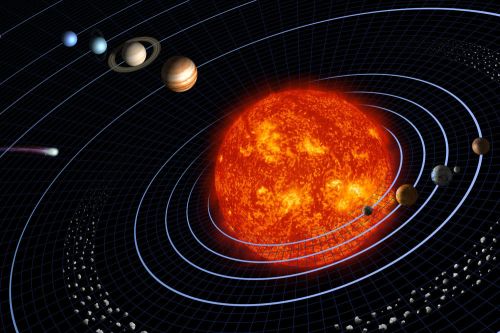
Artist’s conception of Earth’s solar system (not to scale).

Credit: NASA/JPL

Approximately 4.5 billion years ago, gravity pulled a cloud of dust and gas together to form our solar system. While scientists aren’t certain of the exact nature of the process, observations of young stellar systems combined with computer simulations have allowed them to develop three models of what could have happened so many years ago.

A massive concentration of interstellar gas and dust created a molecular cloud that would form the sun’s birthplace. Cold temperatures caused the gas to clump together, growing steadily denser. The densest parts of the cloud began to collapse under its own gravity, forming a wealth of young stellar objects known as protostars. Gravity continued to collapse the material onto the infant object, creating a star and a disk of material from which the planets would form. When fusion kicked in, the star began to blast a stellar wind that helped clear out the debris and stopped it from falling inward.

Although gas and dust shroud young stars in visible wavelengths, infrared telescopes have probed many of the Milky Way Galaxy’s clouds to reveal the natal environment of other stars. Scientists have applied what they’ve seen in other systems to our own star.

After the sun formed, a massive disk of material surrounded it for around 100 million years. That may sound like more than enough time for the planets to form, but in astronomical terms, it’s an eye blink. As the newborn sun heated the disk, gas evaporated quickly, giving the newborn planets and moons only a short amount of time to scoop it up.

Scientists have developed three different models to explain how planets in and out of the solar system may have formed. The first and most widely accepted model, core accretion, works well with the formation of the rocky terrestrial planets but has problems with giant planets. The second, pebble accretion, could allow planets to quickly form from the tiniest materials. The third, the disk instability method, may account for the creation of giant planets.

The core accretion model

Approximately 4.6 billion years ago, the solar system was a cloud of dust and gas known as a solar nebula. Gravity collapsed the material in on itself as it began to spin, forming the sun in the center of the nebula.

With the rise of the sun, the remaining material began to clump together. Small particles drew together, bound by the force of gravity, into larger particles. The solar wind swept away lighter elements, such as hydrogen and helium, from the closer regions, leaving only heavy, rocky materials to create terrestrial worlds. But farther away, the solar winds had less impact on lighter elements, allowing them to coalesce into gas giants. In this way, asteroids, comets, planets and moons were created.

Some exoplanet observations seem to confirm core accretion as the dominant formation process. Stars with more “metals” — a term astronomers use for elements other than hydrogen and helium — in their cores have more giant planets than their metal-poor cousins. According to NASA, core accretion suggests that small, rocky worlds should be more common than the more massive gas giants.

The 2005 discovery of a giant planet with a massive core orbiting the sun-like star HD 149026 is an example of an exoplanet that helped strengthen the case for core accretion.

“This is a confirmation of the core accretion theory for planet formation and evidence that planets of this kind should exist in abundance,” said Greg Henry in a press release. Henry, an astronomer at Tennessee State University, Nashville, detected the dimming of the star.

In 2017, the European Space Agency plans to launch the CHaracterising ExOPlanet Satellite (CHEOPS), which will study exoplanets ranging in sizes from super-Earths to Neptune. Studying these distant worlds may help determine how planets in the solar system formed.

“In the core accretion scenario, the core of a planet must reach a critical mass before it is able to accrete gas in a runaway fashion,” said the CHEOPS team. “This critical mass depends upon many physical variables, among the most important of which is the rate of planetesimals accretion.”

By studying how growing planets accrete material, CHEOPS will provide insight into how worlds grow.

The disk instability model

But the need for a rapid formation for the giant gas planets is one of the problems of core accretion. According to models, the process takes several million years, longer than the light gases were available in the early solar system. At the same time, the core accretion model faces a migration issue, as the baby planets are likely to spiral into the sun in a short amount of time.

“Giant planets form really fast, in a few million years,” Kevin Walsh, a researcher at the Southwest Research Institute (SwRI) in Boulder, Colorado, told Space.com. “That creates a time limit because the gas disk around the sun only lasts 4 to 5 million years.”

According to a relatively new theory, disk instability, clumps of dust and gas are bound together early in the life of the solar system. Over time, these clumps slowly compact into a giant planet. These planets can form faster than their core accretion rivals, sometimes in as little as 1,000 years, allowing them to trap the rapidly vanishing lighter gases. They also quickly reach an orbit-stabilizing mass that keeps them from death-marching into the sun.

As scientists continue to study planets inside of the solar system, as well as around other stars, they will better understand how gas giants formed.

Pebble accretion

The biggest challenge to core accretion is time — building massive gas giants fast enough to grab the lighter components of their atmosphere. Recent research probed how smaller, pebble-sized objects fused together to build giant planets up to 1,000 times faster than earlier studies.

“This is the first model that we know about that you start out with a pretty simple structure for the solar nebula from which planets form, and end up with the giant-planet system that we see,” study lead author Harold Levison, an astronomer at SwRI, told Space.com in 2015.

In 2012, researchers Michiel Lambrechts and Anders Johansen of Lund University in Sweden proposed that tiny pebbles, once written off, held the key to rapidly building giant planets.

“They showed that the leftover pebbles from this formation process, which previously were thought to be unimportant, could actually be a huge solution to the planet-forming problem,” Levison said.

Levison and his team built on that research to model more precisely how the tiny pebbles could form planets seen in the galaxy today. While previous simulations, both large and medium-sized objects consumed their pebble-sized cousins at a relatively constant rate, Levison’s simulations suggest that the larger objects acted more like bullies, snatching away pebbles from the mid-sized masses to grow at a far faster rate.

“The larger objects now tend to scatter the smaller ones more than the smaller ones scatter them back, so the smaller ones end up getting scattered out of the pebble disk,” study co-author Katherine Kretke, also from SwRI, told Space.com. “The bigger guy basically bullies the smaller one so they can eat all the pebbles themselves, and they can continue to grow up to form the cores of the giant planets.”

Originally, scientists thought that planets formed in the same part of the solar system they reside in today. The discovery of exoplanets shook things up, revealing that at least some of the most massive objects could migrate.

In 2005, a trio of papers published in the journal Nature proposed that the giant planets were bound in near-circular orbits much more compact than they are today. A large disk of rocks and ices surrounded them, stretching out to about 35 times the Earth-sun distance, just beyond Neptune’s present orbit. They called this the Nice model, after the city in France where they first discussed it.

As the planets interacted with the smaller bodies, they scattered most of them toward the sun. The process caused them to trade energy with the objects, sending the Saturn, Neptune, and Uranus farther out into the solar system. Eventually the small objects reached Jupiter, which sent them flying to the edge of the solar system or completely out of it.

Movement between Jupiter and Saturn drove Uranus and Neptune into even more eccentric orbits, sending the pair through the remaining disk of ices. Some of the material was flung inward, where it crashed into the terrestrial planets during the Late Heavy Bombardment. Other material was hurled outward, creating the Kuiper Belt.

As they moved slowly outward, Neptune and Uranus traded places. Eventually, interactions with the remaining debris caused the pair to settle into more circular paths as they reached their current distance from the sun.

Along the way, it’s possible that one or even two other giant planets were kicked out of the system. Astronomer David Nesvorny of SwRI has modeled the early solar system in search of clues that could lead toward understanding its early history.

“In the early days, the solar system was very different, with many more planets, perhaps as massive as Neptune, forming and being scattered to different places,” Nesvorny told Space.com

The solar system didn’t wrap up its formation process after the planets formed. Earth stands out from the planets because of its high water content, which many scientists suspect contributed to the evolution of life. But the planet’s current location was too warm for it to collect water in the early solar system, suggesting that the life-giving liquid may have been delivered after it was grown.

But scientists still don’t know the source of that water. Originally, they suspected comets, but several missions, including six that flew by Halley’s comet in the 1980s and the more recent European Space Agency’s Rosetta satellite, revealed that the composition of the icy material from the outskirts of the solar system didn’t quite match Earth’s.

The asteroid belt makes another potential source of water. Several meteorites have shown evidence of alteration, changes made early in their lifetimes that hint that water in some form interacted with their surface. Impacts from meteorites could be another source of water for the planet.

Recently, some scientists have challenged the notion that the early Earth was too hot to collect water. They argue that, if the planet formed fast enough, it could have collected the necessary water from the icy grains before they evaporated.

While Earth held onto its water, Venus and Mars would have likely been exposed to the important liquid in much the same way. Rising temperatures on Venus and an evaporating atmosphere on Mars kept them from retaining their water, however, resulting in the dry planets we know today.

Abiogenesis: Life May Have Evolved From Non-Living Matter With Relative Ease

More evidence that life could have evolved with relative ease: New research supports ancestors of genes self-copying in a mushy puddle

Oct 10, 2016 | Atlanta, GA

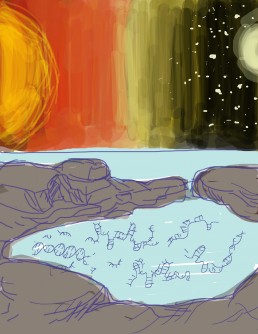
The original recipe for gene soup may have been simple — rain, a jumble of common molecules, warm sunshine, and nighttime cooling. Then add a pinch of thickener. That last ingredient may have helped gene-like strands to copy themselves in puddles for the first time ever, billions of years ago when Earth was devoid of life, researchers at the Georgia Institute of Technology have found. Their novel discoveries add to a growing body of evidence that suggests first life may have evolved with relative ease, here and possibly elsewhere in the universe. And they offer a straightforward answer to a gnawing 50-year-old question: How did precursors to the present-day genetic code first duplicate themselves before the existence of enzymes that are indispensable to that process today?


The spice of life?

For generations, scientists pursuing an answer performed experiments in water but hit a wall. Georgia Tech researchers Christine He and Isaac Gállego overcame it by adding an off-the-shelf viscous solvent (the thickener). In separate experiments with DNA then RNA, the copying process proceeded. “I think it’s very, very different from anything that’s been done before,” said researcher He. “We can change the physical environment in an easy way, and promote these processes that wouldn’t happen in conditions ordinarily being used.”


Easy recipe

Easy is crucial, said Martha Grover, a professor who oversaw the research at Georgia Tech’s School of Chemical and Biomolecular Engineering. Easy reactions are likely to be more productive and more prevalent. “A simple and robust process like this one could have operated in a variety of environments and concentrations making it more realistic in moving evolution forward,” she said. Grover’s lab and that of Nick Hud at Georgia Tech’s School of Chemistry and Biochemistry published the results on Monday, October 10, 2016 in the journal Nature Chemistry. Their research has been funded by the National Science Foundation and the NASA Astrobiology Program under the NASA/NSF Center for Chemical Evolution.


Nucleotide noodles

Earliest life was based on RNA, or a similar polymer, according to a hypothesis called the RNA World. In that scenario, on the evolutionary timeline, the self-replication of RNA strands long enough to be potential genes would roughly mark the doorstep to life. Those long nucleotide chains may have been mixed together in puddles with shorter nucleotide chains. Heat from the sun would have made long strands detach from their helix structures, giving short ones a chance to match up with them, and become their copies.

But there’s a problem.

In water alone, when cooling sets in, the long chains snap back into their helix structure so rapidly that there’s no time for the matching process with the shorter chains. That snapping shut, which happens in both RNA and DNA, is called “strand inhibition,” and in living cells, enzymes solve the problem of keeping the long chains apart while gene strands duplicate.


More like a stew

“The problem is a problem in water, which everybody sort of looks at in prebiotic (pre-life) chemistry,” said graduate research assistant He. She felt it was time to rethink that, and her expertise in chemical engineering helped. High viscosity has been known to slow down the movement of long strands of DNA, RNA and other polymers. “It’s a little like making them swim in honey,” Grover said. Applying that to origin-of-life chemistry seemed obvious, because in prebiotic times, there probably were quite a few sticky puddles. “In that solution, it gives the short nucleotides, which move faster, time to jump onto the long strand and piece together a duplicate of the long strand,” researcher He said. In her experiments, it worked.


Hairpins in the soup

And it produced an encouraging surprise. The DNA and RNA strands folded onto themselves forming shapes called hairpins. “In the beginning, we didn’t realize the importance of the internal structure,” Christine He said. Then they noticed that the shape was helping keep RNA and DNA available for the pairing process. “Hairpin formation is integral to keeping them open,” Grover said. But it also could have accelerated chemical evolution in another way.  “The solution is selecting here for sequences that fold, and that would have more potential for functional activity – like a ribozyme,” said researcher He.

Ribozymes are enzymes made of RNA, and enzymes catalyze biochemical processes. To have them evolve in the same solution that promotes genetic code replication could have shortened the path to first life. “You really need to amplify functional sequences for evolution to move forward,” Grover said. The folds were an unexpected side-effect, and finding them paves the way for future research.


Next ingredient?

The Georgia Tech scientists used real gene strands in their experiments, which may sound mundane, but in the past, some researchers have specially engineered DNA and RNA sequences in attempts to arrive at similar results. He and Gállego’s use of a naturally occurring gene, rather than a specifically engineered sequence, shows that viscosity could have been a very general solution to promote copying of nucleic acids with mixed length and sequences.

To facilitate quick, clear outcomes, the Georgia Tech researchers used purified short nucleotide chains and applied them in ratios that favored productive reactions. But they had started out with messier, less pure ingredients, and the experience was worthwhile. “Considering a pre-biotic soup, it’s probably messy; it’s got a lot of impurities,” Christine He said. “When we first started out with more impure nucleotides, it still worked. Maybe the same reaction really could have happened in a messy puddle billions of years ago.”

The viscous solvent was glycholine, a mixture of glycerol and choline chloride. It was not likely present on pre-biotic Earth, but other viscous solvents likely were. Also, after the short strands matched up to each long one, the researchers did apply an enzyme to join the aligned short pieces into a long chain, in a biochemical process called ligation. The enzymes would not have been present on a prebiotic Earth, and although there are chemical procedure for ligating RNA, “no one has developed a chemistry so robust yet that it could replace the enzyme,” Grover said.


Finding one that could have worked on a prebiotic Earth would be a worthy aim for further research.

READ: More about chemical engineering, viscosity and DNA

READ: Possible precusor of RNA forms spontaneously in water


Brandon Laughlin from Georgia Tech coauthored the paper. The research was funded by the National Science Foundation and the NASA Astrobiology Program under the NASA/NSF Center for Chemical Evolution (grant number CHE-1504217) and by the NSF Graduate Research Fellowship (grant number DGE-1148903). Any opinions, findings and conclusions or recommendations expressed in this material are those of the author(s) and do not necessarily reflect the views of the sponsoring agencies.

Scientists Close to Uncovering RNA Mystery

Moving Backward to Go Forward

DNA, RNA, and protein: these have been the premier scientific buzzwords in our lives since we picked up our first science textbooks in elementary school. However, there was always one thing that the science textbook never really got around to explaining: what came first the chicken or the egg? Or in our case, RNA or protein?

Scientists at The Scripps Research Institute (TSRI) have taken steps to answer the long-standing question to verify the validity of the RNA world hypothesis. The Museum of Science explains that according to the RNA World Hypothesis, “earlier forms of life may have relied solely on RNA to store genetic information and to catalyze chemical reactions. Later life evolved to use DNA and proteins due to RNA’s relative instability and poorer catalytic properties, and gradually, ribozymes became increasingly phased out.”

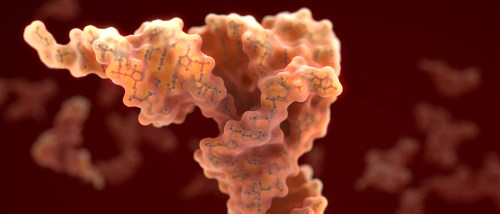
In short, to test this, the team has decided to build their own biological time machine to take them back 4 billion years—all by synthesizing a primordial RNA-based enzyme, a ribozyme, that has never been seen before.

The team of scientist sought to verify the two major tenets of the RNA world hypothesis:

  1. The ribozyme must be able to replicate RNA.
  2. The ribozyme must be able to transcribe RNA.

Here is a brief video describing both replication and transcription from a DNA perspective:

A Primordial Hunger Games

The scientists employed natural selection in their process to uncover evidence for the RNA world hypothesis. Building upon decades of research, the researchers made over 100 trillion variants of the class I RNA polymerase ribozyme, a molecule that theoretically could replicate and transcribe RNA.

After twenty-four rounds of experiments, the TSRI team stumbled upon polymerase ribozyme 24-3, which was able to replicate and transcribe RNA better than the team had hoped. With the new molecule synthesizing RNA molecules at a rate that is one hundred times quicker than the original start molecule, and replicating at a rate deemed as exponential replication, with forty thousand copies produced in just 24 hours.

The scientists believe that “a  polymerase ribozyme that achieves exponential amplification of itself will meet the criteria for being alive.” Providing support for the RNA world hypothesis.

Now that’s one for both history and science textbooks.

The article was published in the Proceedings of the National Academy of Sciences

Formation of life’s building blocks recreated in lab

8 December 2014

Formation of life’s building blocks recreated in lab

By Colin Barras

WhereItAllCameFromTalk about making an impact. One of the meteorites that slammed into the planet early in its history could have kick-started life: the collision may have generated all four of the bases in RNA. Life appeared on Earth around 4 billion years ago, about the same time that the planet was experiencing a beating from large meteorites – an event called the Late Heavy Bombardment. As far as Svatopluk Civiš at the Academy of Sciences of the Czech Republic in Prague and his colleagues are concerned, that’s no coincidence.

They simulated a meteorite impact on early Earth by firing a high-power laser at samples of formamide a liquid that would have existed on our primordial planet. The sample temperatures soared to 4200 °C, generating X-rays and extreme ultraviolet radiation that reacted with the formamide to create chemical radicals. These radicals, in turn, reacted with hydrogen and the remaining formamide to generate 2,3-diaminomaleonitrile – DAMN for short – which is a chemical precursor to the nucleobases. When Civiš and his colleagues examined the end products of their reaction, they found all four RNA bases: adenine, guanine, cytosine and uracil – three of which are also found in DNA.

The work “nicely correlates the Late Heavy Bombardment and the energy that it delivered to Earth with the formation of RNA and DNA nucleobases from formamide”, says Steven Benner at theFoundation For Applied Molecular Evolution in Gainesville, Florida.


What an impact

It was two Italian researchers – Raffaele Saladino at the University of Tuscia and Ernesto Di Mauro at the Sapienza University of Rome – who first suggested, in 2001, that formamide played an important role in the origin of life. It forms when hydrogen cyanide, which was present in Earth’s early atmosphere, reacts with water. Although Saladino and Di Mauro have shown other ways that formamide can generate the four nucleobases, Di Mauro says “this is the first time that solid theoretical treatment and experimental data are presented together”.

He adds that even more biologically important molecules can be generated if these experiments consider the role that various minerals inside the meteorites might have played as catalysts – something his latest, still unpublished work has explored. “The obtained products are astonishingly rich and variegated,” Di Mauro says. Saladino and Di Mauro suggested formamide would have concentrated in warm lagoons on our young planet – particularly because formamide has a higher boiling point than water, so would concentrate as water evaporated. Donald Lowe, a geologist at Stanford University who studies the Late Heavy Bombardment, says such environments did exist on early Earth – despite the disruption caused by the impacts.


Living the dry life

“Although the impact frequency may have been 10s or 100s of times greater than it is today, your chance of experiencing a large impact at the height of the LHB would have been small,” says Lowe. “Lagoons or, in more general terms, shallow-water protected settings, are likely to have been well developed on the early Earth.”

The work still doesn’t quite answer the question of how the RNA bases came together with other complex molecules to form RNA, though. “This is what we are working on right now,” says Civiš. For instance, they hope to generate carbohydrates through similar laser experiments. But if huge impact events were critical for the generation of life’s key molecules, water was apparently not.

Saladino and Di Mauro’s work on formamide suggested that the first, small RNA molecules were most likely to come together in a relatively water-free environment – like a formamide-rich lagoon.

Benner points out that some geologists think early Earth had too much water to allow these environments to exist, which last year led him to suggest that these formamide reactions may actually have occurred on the much drier early Mars, before life later rode through space on Martian meteorites to reach Earth.

The idea is compatible with Civiš and his colleagues’ work emphasising the role of impact events. “The current view is that all of the inner planets experienced the Late Heavy Bombardment,” says Benner.


Journal reference: PNAS, DOI: 10.1073/pnas.1412072111

From <https://www.newscientist.com/article/dn26672-formation-of-lifes-building-blocks-recreated-in-lab/>

NASA Scientists Cook Up Building Blocks of Life in Lab

By Nola Taylor Redd, Space.com Contributor | April 9, 2015 10:40am ET

NASA_Ames_Scientists

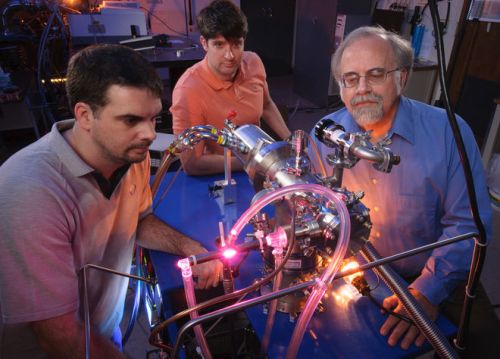
Left to right: NASA Ames scientists Michael Nuevo, Christopher Materese and Scott Sandford reproduced key components of RNA and DNA in a laboratory.

Credit: NASA/Dominic Hart

Many of the chemical ingredients necessary for life as we know it were available on the early Earth, and should be present on exoplanets as well, new research suggests.

Researchers at NASA’s Ames Research Center in California generated three key components of RNA (ribonucleic acid) and DNA (deoxyribonucleic acid) in the lab, by exposing commonly occurring ring-shaped molecules of carbon and nitrogen to radiation under spacelike conditions.

“Nobody really understands how life got started on Earth,” Scott Sandford, a space science researcher at Ames, said in a statement. “Our experiments suggest that once the Earth formed, many of the building blocks of life were likely present from the beginning. Since we are simulating universal astrophysical conditions, the same is likely wherever planets are formed.”

Sandford and his colleagues worked with pyrimidine, a ring-shaped molecule often found in meteorites. The rings hold carbon atoms, but the presence of nitrogen makes pyrimidine less stable than other carbon-rich compounds, researchers said. As a result, pyrimidine is easily destroyed by radiation, which is prevalent in interstellar space.

“We wanted to test whether pyrimidine can survive in space, and whether it can undergo reactions that turn it into a more complicated organic species,” Sandford said in the same statement.

Pyrimidine

Pyrimidine is a ring-shaped molecule composed of carbon and nitrogen. It serves as the central strucutre for uracil, cytosine, and thymine, all key components of RNA and DNA.

Credit: NASA

Pyrimidine should be vulnerable to destruction when traveling through the universe as a gas. But the researchers reasoned that some molecules might be able to survive if they find their way into interstellar clouds of dust and gas.

Such clouds could serve as a shield, absorbing much of the radiation on the outer edges and keeping it from reaching the interior. Safe inside the clouds, the pyrimidine molecules would freeze onto dust grains, which might allow them to survive any radiation to which they would later be exposed.

To test their idea, the scientists exposed an ice sample containing pyrimidine to ultraviolet radiation in a vacuum at temperatures as low as minus 440 degrees Fahrenheit (minus 262 degrees Celsius) —conditions similar to those experienced in interstellar space.

When frozen in ice consisting mainly of water, but also containing ammonia, methanol or methane, the pyrimidine was much less vulnerable to radiation than it would be as a free-floating gas. Instead of destroying the molecules, the radiation transformed it into new species, including uracil, cytosine and thymine — three of the “nucleobases” that make up DNA and RNA.

“We are trying to address the mechanisms in space that are forming these molecules,” Ames researcher Christopher Materese said. “Considering what we produced in the laboratory, the chemistry of ice exposed to ultraviolet radiation may be an important linking step between what goes on in space and what fell to Earth early in its development.”

Although scientists know that pyrimidine is found in meteorites, they are still uncertain about its ultimate origins. Like the more stable, carbon-rich polycyclic aromatic hydrocarbons (PAHs), considered as potential material to kick-start life, pyrimidine may be produced by the dying breaths of red-giant stars or in clouds of interstellar gas and dust, researchers said.

Rosetta’s comet contains ingredients for life

27 May 2016

Ingredients regarded as crucial for the origin of life on Earth have been discovered at the comet that ESA’s Rosetta spacecraft has been probing for almost two years.

They include the amino acid glycine, which is commonly found in proteins, and phosphorus, a key component of DNA and cell membranes.

Scientists have long debated the important possibility that water and organic molecules were brought by asteroids and comets to the young Earth after it cooled following its formation, providing some of the key building blocks for the emergence of life.

While some comets and asteroids are already known to have water with a composition like that of Earth’s oceans, Rosetta found a significant difference at its comet – fueling the debate on their role in the origin of Earth’s water.

But new results reveal that comets nevertheless had the potential to deliver ingredients critical to establish life as we know it.

Rosetta’s comet contains ingredients for life

Amino acids are biologically important organic compounds containing carbon, oxygen, hydrogen and nitrogen, and form the basis of proteins.

Hints of the simplest amino acid, glycine, were found in samples returned to Earth in 2006 from Comet Wild-2 by NASA’s Stardust mission. However, possible terrestrial contamination of the dust samples made the analysis extremely difficult.

Now, Rosetta has made direct, repeated detection of glycine in the fuzzy atmosphere or ‘coma’ of its comet.

“This is the first unambiguous detection of glycine at a comet,” says Kathrin Altwegg, principal investigator of the ROSINA instrument that made the measurements, and lead author of the paper published in Science Advances today.

“At the same time, we also detected certain other organic molecules that can be precursors to glycine, hinting at the possible ways in which it may have formed.”

The measurements were made before the comet reached its closest point to the Sun – perihelion – in August 2015 in its 6.5 year orbit.

The first detection was made in October 2014 while Rosetta was just 10 km from the comet. The next occasion was during a flyby in March 2015, when it was 30–15 km from the nucleus.

Glycine was also seen on other occasions associated with outbursts from the comet in the month leading up to perihelion, when Rosetta was more than 200 km from the nucleus but surrounded by a lot of dust.

“We see a strong link between glycine and dust, suggesting that it is probably released perhaps with other volatiles from the icy mantles of the dust grains once they have warmed up in the coma,” says Kathrin.

Glycine turns into gas only when it reaches temperatures just below 150°C, meaning that usually little is released from the comet’s surface or subsurface because of the low temperatures. This accounts for the fact that Rosetta does not always detect it.

“Glycine is the only amino acid that is known to be able to form without liquid water, and the fact we see it with the precursor molecules and dust suggests it is formed within interstellar icy dust grains or by the ultraviolet irradiation of ice, before becoming bound up and conserved in the comet for billions of years,” adds Kathrin.

Another exciting detection made by Rosetta and described in the paper is of phosphorus, a key element in all known living organisms. For example, it is found in the structural framework of DNA and in cell membranes, and it is used in transporting chemical energy within cells for metabolism.

“There is still a lot of uncertainty regarding the chemistry on early Earth and there is of course a huge evolutionary gap to fill between the delivery of these ingredients via cometary impacts and life taking hold,” says co-author Hervé Cottin.

“But the important point is that comets have not really changed in 4.5 billion years: they grant us direct access to some of the ingredients that likely ended up in the prebiotic soup that eventually resulted in the origin of life on Earth.”

“The multitude of organic molecules already identified by Rosetta, now joined by the exciting confirmation of fundamental ingredients like glycine and phosphorous, confirms our idea that comets have the potential to deliver key molecules for prebiotic chemistry,” says Matt Taylor, ESA’s Rosetta project scientist.

“Demonstrating that comets are reservoirs of primitive material in the Solar System and vessels that could have transported these vital ingredients to Earth, is one of the key goals of the Rosetta mission, and we are delighted with this result.”

Notes for Editors

“Prebiotic chemicals – amino acid and phosphorus – in the coma of comet 67P/Churyumov–Gerasimenko”, by K. Altwegg et al is published in the journal Science Advances.

Original article: http://www.esa.int/Our_Activities/Space_Science/Rosetta/Rosetta_s_comet_contains_ingredients_for_life